Therapy for therapists and counselors in Oregon. Here, you can set down the clinician and just be a human: your mess, your sense of humor, all of it.

You know the techniques, and you can probably see them coming. We can name that, laugh about it, and get to the real work anyway.
The weight of the work, the isolation of private practice, imposter syndrome, the questions about who you are as a clinician. I know them firsthand, because I live them too.
Your life outside of work matters here too: relationships, identity, family, and the parts of you that you put aside as a professional.
There's something unique about experiencing a modality from the client's side. Trying something new, like art therapy or EMDR, can slip past your trained defenses and bring you back into your own work. Maybe you use art with your clients; maybe you never have. Either way, it lands differently when it's yours. EMDR can help with the weight that builds from holding other people's stories. Both are optional, and both can work in partnership with talk therapy. How each works →

It's the same licensed therapy, for adults located in Oregon, with the same fees and insurance options. What's different is the shared ground: I know the field, the language, and why it's hard to be the one receiving care.
Oregon's therapy community is small. If we've crossed paths, in a consultation group, a training, or a shared referral network, we'll talk it through openly before starting, so our roles stay clear. I don't provide therapy to associates I supervise, or to my coaching clients.
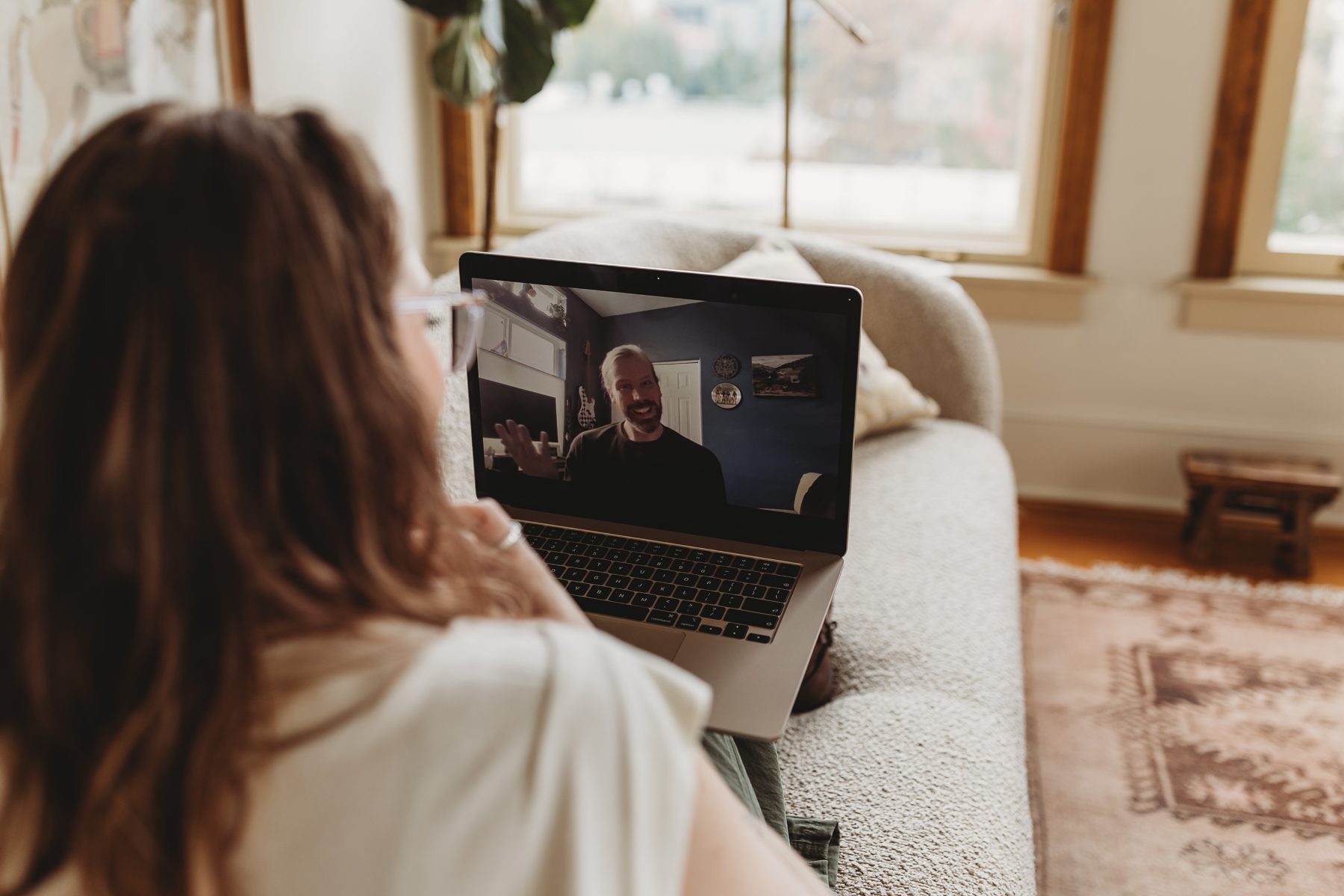
Discretion is part of the work here. Sessions are online, so there's no waiting room to run into a colleague. I never confirm or discuss who my clients are, and your records stay private in SimplePractice. If we end up at the same training, you decide whether we say hello.
You spend your days making room for other people. When you're ready, I'd be glad to make some for you.